

Car news
Are you in the market for a new car, looking to sell it or interested in making the switch to electric cars? Concerned about new laws and regulations affecting all aspects of car ownership?
Stay informed with the latest updates in the automotive world by exploring the news on Parkers. Our expert team is dedicated to keeping you in the know about the latest motoring matters, including ownership and products stories.
Whether it’s breaking news, insightful articles, or in-depth analyses, our experienced team is on the pulse, delivering timely updates on the ground where it counts. Stay tuned to Parkers to keep on top of all motoring issues.
For all the latest advice, news and finance deals, sign up to the Parkers newsletter here.
Latest articles
-
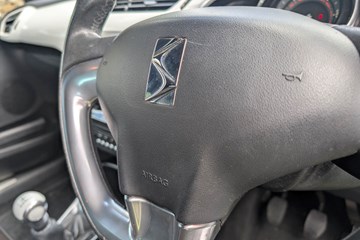 Citroen and DS airbag recall update: if you've not had it fixed, early appointments are opening upThe ongoing Citroen C3 and DS3 airbag saga is finally showing signs of easing up, with dealers ramping up recall work and third-party suppliers wading to help. The situation is...
 -
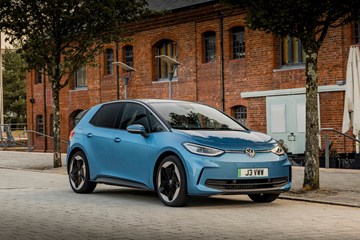 Latest cars to qualify for the UK Electric Car GrantPeugeot, Volkswagen and Cupra have announced the latest models to officially qualify for the UK Government’s Electric Car Grant (ECG). Some of the UK’s best-selling electric cars now attract the...
 -
-
 Revealed: the UK regions where drug-driving collisions are rocketingDrug-driving collisions in the UK rose by 9% between 2022 and 2023, with some regions seeing far bigger jumps. The North West recorded the steepest increase at 46%, while the...
 -
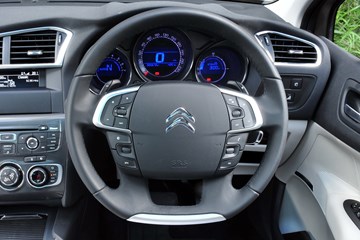 Citroen expands stop-drive recall to cover C4, DS4 and DS5Citroen has expanded its urgent stop-drive airbag recall to include some C4, DS4 and DS5 models, with immediate effect. The move adds almost 10,000 more cars to the ‘code red’...
 -
 From 2026, your driving test could teach you how to save a lifeFrom 2026, all learner drivers will face new questions on cardiopulmonary resuscitation (CPR) and the use of defibrillators in the driving theory test. The Driver and Vehicle Standards Agency (DVSA)...
 -
-
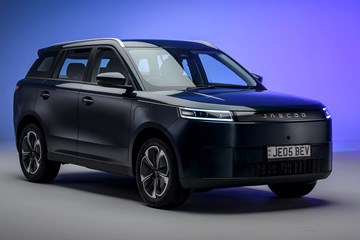 Jaecoo E5 electric SUV sets the cat among the pigeons from £27,505Jaecoo has announced full pricing and spec details for its first all-electric model, the E5, which will start at £27,505 on-the-road. The compact SUV brings a 248-mile WLTP driving range,...
 -
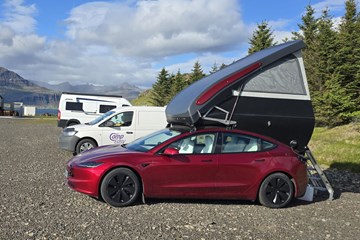 Tesla Model 3 campervan – meet the Dashaway eRCBritish campervan specialist Wheelhome has a demountable camper that turns a Tesla Model 3 into a two-berth, fully equipped tourer. Called the Dashaway eRC, it costs from £23,400 (plus the...
 -
-
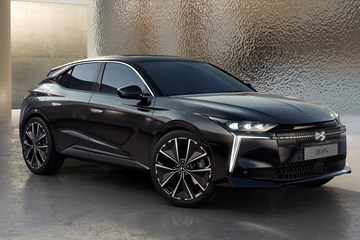 New DS No4 launches with hybrid, plug-in hybrid and electric power – prices from £32,200DS Automobiles has revealed the UK line-up and prices for the new DS No4, which arrives later this year with hybrid, plug-in hybrid and fully electric E-Tense powertrains. Prices start...
 -
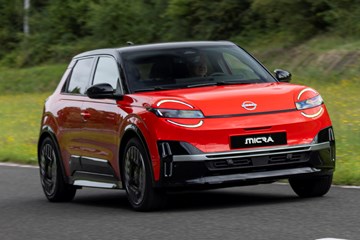 Nissan Micra and Ariya now qualify for £1,500 electric car grantTwo of Nissan’s electric cars – the all-new Micra and the Ariya SUV – have been confirmed as qualifying for the Government’s Electric Car Grant. The move makes the electric...
 -
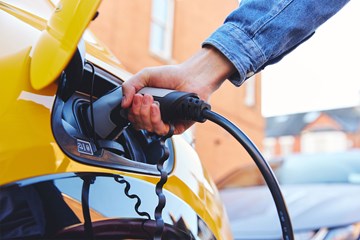 Save up to £3,750 on a new EV – details of cars to qualify for electric car grant emergeThe government has announced details of the electric car grant (ECG) that could slash up to £3,750 off the cost of a new electric car, and details of the first...
 -
-
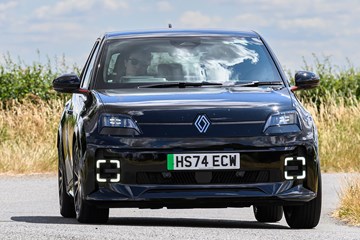 Renault EV prices cut by up to £3,000 with new grantRenault has slashed the cost of its entire electric car line-up by up to £3,000 for retail finance buyers – combining a new £1,500 Electric Car Grant (ECG) with existing...
 -
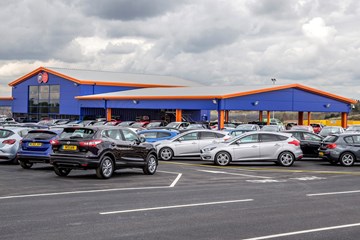 Used car market back to pre-pandemic levels as buyers cash-in on lower pricesThe UK’s used car market has returned to pre-pandemic levels for the first time in five years, with more than four million vehicles changing hands in the first half of...
 -
-
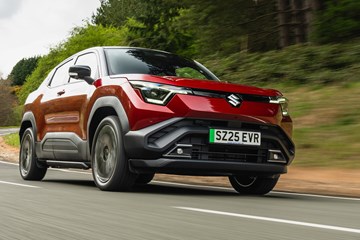 Suzuki e Vitara launches from just £26,249 with new ‘Suzuki Granted’ EV dealSuzuki has confirmed launch pricing for its all-new e Vitara SUV – and it’s a strikingly affordable entry point for a family electric SUV. Prices start from just £26,249 thanks...
 -
 How to reclaim your mis-sold car finance commissionThe Financial Conduct Authority (FCA) has launched a new car finance compensation scheme. It’s designed to repay discretionary commission arrangements that were built into drivers’ finance agreements but not clearly...
 -
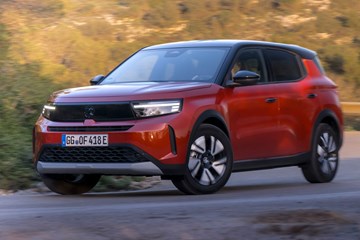 Vauxhall slashes EV prices with new £1,500 discount and 0% financeVauxhall has entered the EV price war with a bold new offer across its entire electric car range – £1,500 off, 0% finance, and a generous package of charging incentives....
 -
-
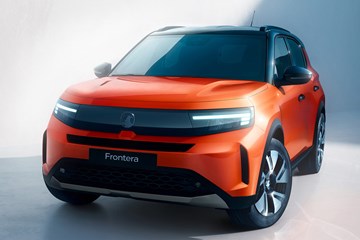 Vauxhall Frontera Electric Extended Range priced from £27,495Vauxhall has opened the order books for the Frontera Electric Extended Range – a new model in the small electric SUV lineup featuring a larger 54kWh battery for a 253-mile...
 -
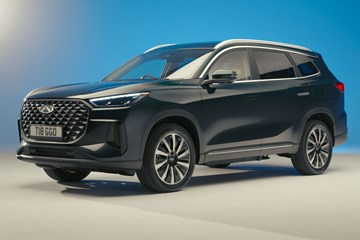 Chery Tiggo 8: Seven seats, seven-year warranty for less than £30kChery has confirmed UK prices and specs for its new seven-seater SUV, the Tiggo 8, with deliveries set to begin from 1 September 2025. Priced from £28,545 on the road,...
 -
-
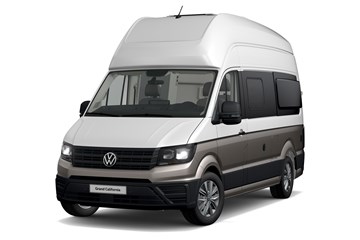 Updated VW Grand California to debut at 2025 Dusseldorf Caravan SalonVolkswagen has announced an updated version of its largest factory-built campervan, the Grand California. Based on the VW Crafter large van, which was facelifted in 2024, the new Grand California...
 -
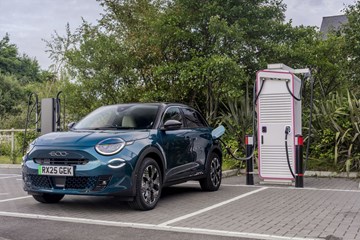 Fiat E-Grant returns: £1,500 saving on 500e, 600e and Abarth EVsFiat has reintroduced its £1,500 E-Grant on the fully electric 500e, 600e, Abarth 500e and Abarth 600e, offering UK retail buyers a discount on new EVs ordered between 1 August...
 -
 Parkers launches new campervan section to meet booming demandParkers has launched a brand-new section dedicated to campervans, giving buyers straight-talking advice, real-world reviews and expert guidance in one easy-to-navigate hub. It’s designed to help first-timers and vanlifers alike...
 -
Most popular articles
-
Citroen and DS airbag recall update: if you've not had it fixed, early appointments are opening upThe ongoing Citroen C3 and DS3 airbag saga is finally showing signs of easing up, with dealers ramping up recall work and third-party suppliers wading to help. The situation is...
-
 Stellantis diesel engine recall: what UK drivers need to know about the 1.5 BlueHDi camshaft chain issueOwners of popular diesel cars from Peugeot, Citroen, Vauxhall, Fiat and DS are being urged to check whether their vehicles are affected by a major Stellantis recall, after the group...
 -
-
Used car market back to pre-pandemic levels as buyers cash-in on lower pricesThe UK’s used car market has returned to pre-pandemic levels for the first time in five years, with more than four million vehicles changing hands in the first half of...
-
Citroen expands stop-drive recall to cover C4, DS4 and DS5Citroen has expanded its urgent stop-drive airbag recall to include some C4, DS4 and DS5 models, with immediate effect. The move adds almost 10,000 more cars to the ‘code red’...
-
Parkers launches new campervan section to meet booming demandParkers has launched a brand-new section dedicated to campervans, giving buyers straight-talking advice, real-world reviews and expert guidance in one easy-to-navigate hub. It’s designed to help first-timers and vanlifers alike...
-
-
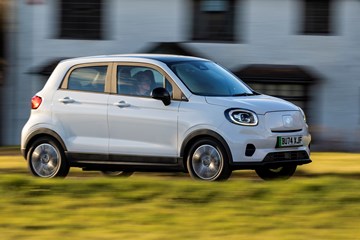 Leapmotor launches UK’s cheapest new electric car – thanks to its own EV grantLeapmotor has fired the starting pistol on a UK electric car price war by launching its own discount scheme. The LEAP-GRANT cuts the price of its entire EV model range...
 -
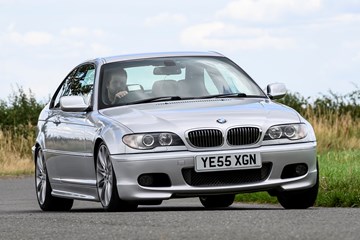 Classic car emissions fall as newer models join the clubClassic cars are cleaner than you might think. Although the number of 20 years-and-older vehicles on UK roads has more than doubled in the last 10 years, their average CO2...
 -
-
 Dodgy meters and aggressive negotiations: Parkers investigates private car parking providersPrivate parking providers are under a lot of scrutiny right now. The government has opened a consultation that could change the way private parking fines are issued – and Downing...
 -
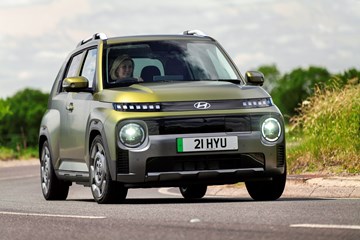 Hyundai offers up to £3,750 off its electric car rangeThe electric car price war sparked by the government’s bungled announcement and roll-out of its new electric car grant has taken an interesting turn with Hyundai stepping into the fray...
 -
 Stellantis expands ‘wet belt’ compensation portal to include UK customersStellantis, parent company of several brands including Citroen and Vauxhall, has announced it’s to offer compensation to UK customers affected by mechanical issues caused by the ‘wet belt’ fitted to...
 -
-
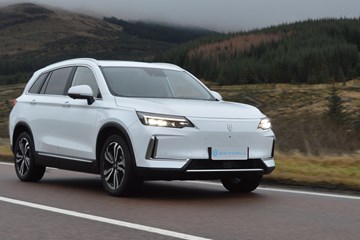 Skywell offers £3,750 EV discount to beat Electric Car Grant delaysSkywell has launched its own electric car incentive, offering £3,750 off the price of its BE11 electric SUV. The move comes in response to delays in the announcement of the...
 -
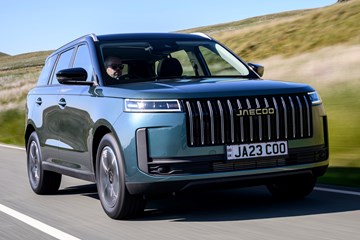 New Jaecoo 5 SUV looks set to shake-up the establishment at £25kThe new Jaecoo 5 small SUV has been confirmed for the UK, priced from £24,505 on the road, with deliveries expected from October 2025. It follows the larger Jaecoo 7...
 -
-
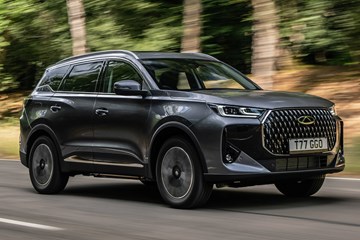 Chery Tiggo 7 budget SUV confirmed for the UK: should you care?Chery isn’t wasting any time breaking into the UK market following up the launch of its Jaecoo and Omoda-branded cars with the new seven-seater Tiggo 7. Prices start at £24,995...
 -
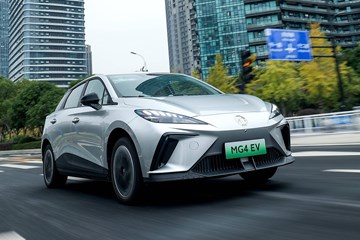 MG gives MG4 and MG S5 EV buyers extra £1,500 discountMG Motor UK is offering private buyers of its electric MG4 and MG S5 EV models an additional £1,500 discount in anticipation of the Government’s revised Electric Car Grant scheme,...
 -
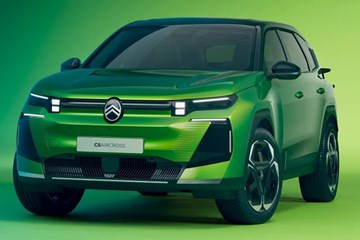 Citroen C5 Aircross priced from £30,495, with petrol, hybrid and EV optionsCitroen has revealed prices for its all-new C5 Aircross SUV, with the range starting at £30,495 for the mild-hybrid petrol version. The reborn model will also be available as a...
 -
-
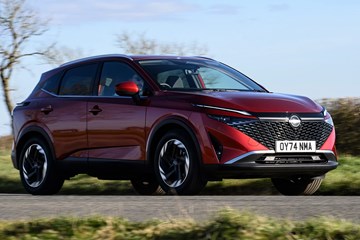 These are the top 10 bestselling cars in the UK 2025: more growth for JuneThe UK has seen growth once again in the new car market, according to the Society of Motor Manufacturers and Traders (SMMT), for the third time this year and the...
 -
Chery Tiggo 8: Seven seats, seven-year warranty for less than £30kChery has confirmed UK prices and specs for its new seven-seater SUV, the Tiggo 8, with deliveries set to begin from 1 September 2025. Priced from £28,545 on the road,...
-
-
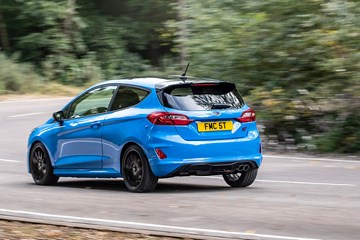 Bestsellers from Ford, Volkswagen and Land Rover are the most stolen cars – is your car at risk?Just shy of 54,000 cars were stolen in 2024 here in the UK, and data reveals that the Ford Fiesta is still the most stolen car in the UK, having...
 -
 Discounts on electric cars grow to more than 11%Real-world discounts on electric cars are growing fast, with average reductions now hitting 11.1% or £6,197 per car. The effect is immediate: median monthly PCP payments for EVs have dropped...
 -
 Belt and braces: Labour MP proposes tighter restrictions for newly qualified driversIn May 2024, Labour introduced a new bill to Parliament proposing the introduction of a graduated driving licence system. It is still awaiting further debate by MPs but, if it...
 -