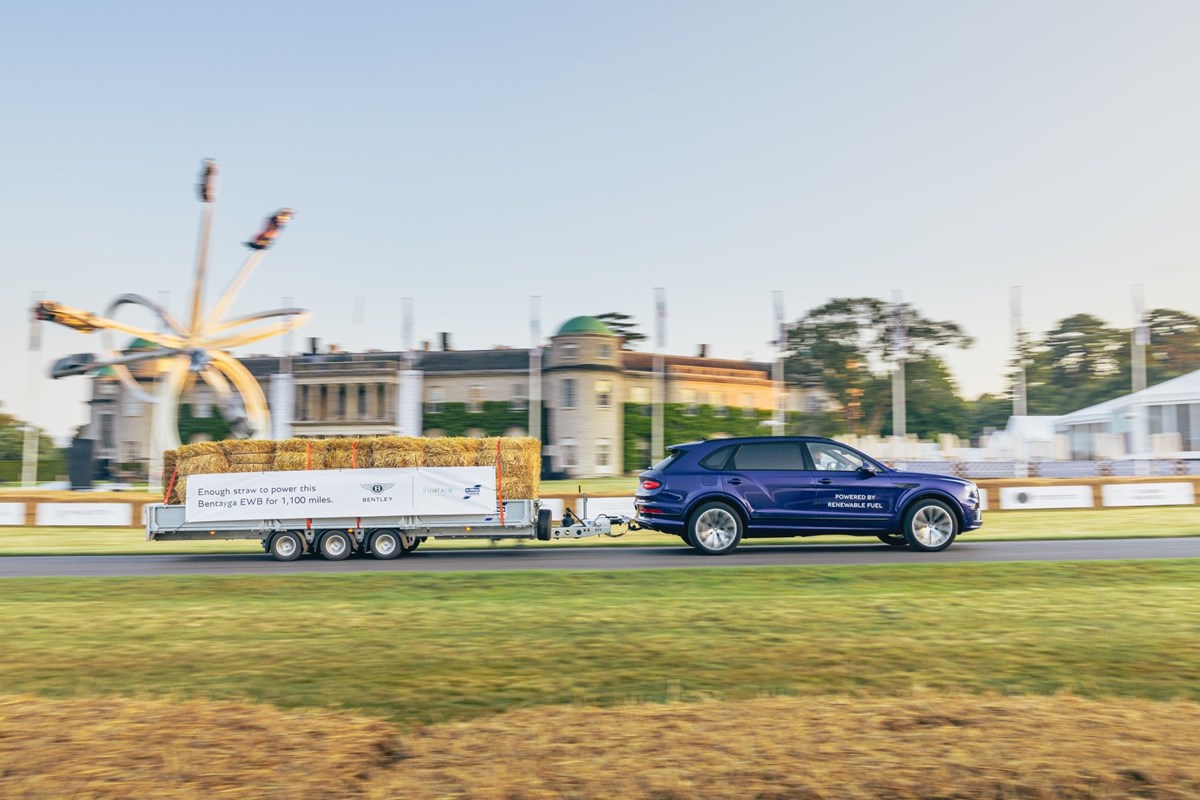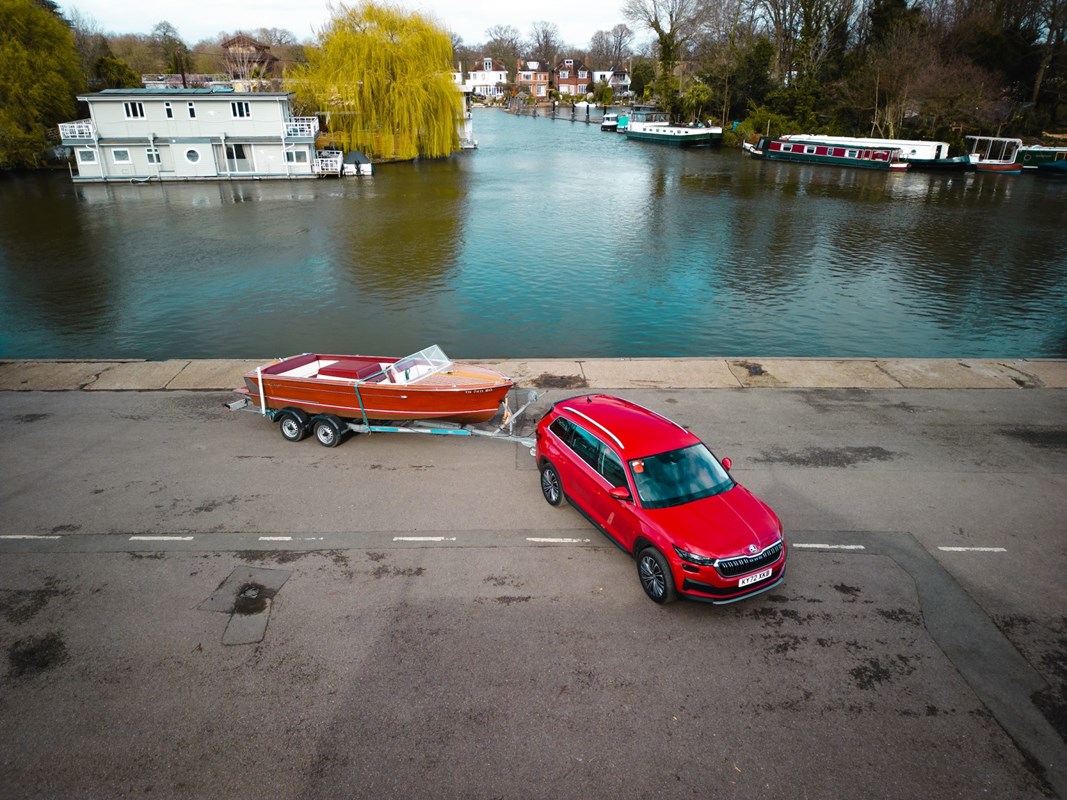



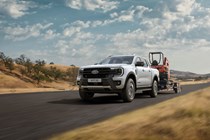

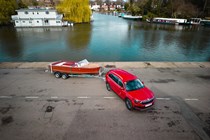
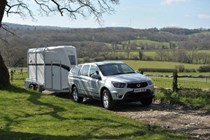

Towing massively increases your car’s ability to carry stuff, from garden waste to a caravan, to a horsebox, to another car. But it’s vitally important that you tow legally and safely. And that means you have to understand the towing capacity of your car.
It all comes down to weight, you see. How much weight your car can tow, the load your trailer can bear, and the combined weight of the car and loaded trailer. There are licencing implications, as well.
So it’s not as simple as just getting one of the best tow cars and hooking up your trailer. To help you make sense of it all, this guide explains everything you need to know about towing capacity and the laws that apply to it.
What does towing capacity mean?
There’s a maximum amount of weight that any given car can tow – that’s its towing capacity. For some cars, it’s 0kg, because they haven’t been homologated – legally cleared – for towing. The maximum a car can tow in the UK is 3,500kg, though there are only a few that are capable of doing so. Note that trailers/caravans without brakes can weigh no more than 750kg.
You also need to consider the maximum authorised mass (MAM) of your trailer. Every trailer has one and it’s the total weight of the load and the trailer itself. So, if a trailer has an MAM of 1,000kg and itself weighs 250kg, it can carry a load of 750kg.
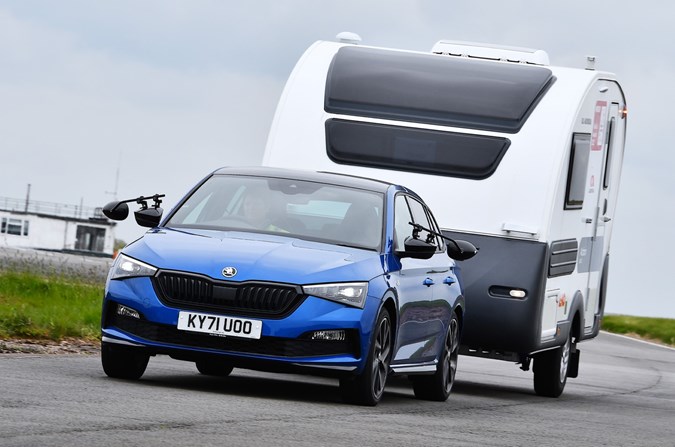
Caravans also have an MAM that’s greater than its own weight, giving you some payload capacity for luggage and equipment. In a caravan context, MAM is sometimes referred to as maximum technically permissible laden mass, or MTPLM.
You also have to be careful not to exceed the car’s gross train weight (GTW). That’s the combined weight of the car and its contents – including fuel and passengers – and the loaded trailer. The maximum GTW allowed for a car in the UK is 6,750kg, a figure that’s actually quite difficult to hit unless you seriously overload the car or trailer.
How do I find the towing capacity of my car?
You can find out your car’s towing capacity by searching for the Parkers review and clicking on the specs tab. Select the exact model you have, go to the specs page, scroll down towards the bottom and you’ll find its towing capacity.
Alternatively, look it up in the owners’ manual. You’ll also find it on the vehicle identification number (VIN) plate that’s usually found at the bottom of the windscreen, under the carpet near the driver’s seat, or affixed to the passenger door frame. If you can’t find it, the manual should tell you where it is.
There will be four figures listed on the VIN plate: the car’s MAM or gross vehicle weight (GVW), its GTW, and the axle weights. The car’s MAM/GVW is the maximum it can weigh when loaded up with passengers, fuel and luggage/cargo; axle weights refer to the maximum weight each end of the car can bear. From those figures, you can get the car’s towing capacity by subtracting the MAM/GVW from the GTW.
Similarly, you can find the MAM and payload capacity of a trailer/caravan from its owners’ manual or VIN plate.
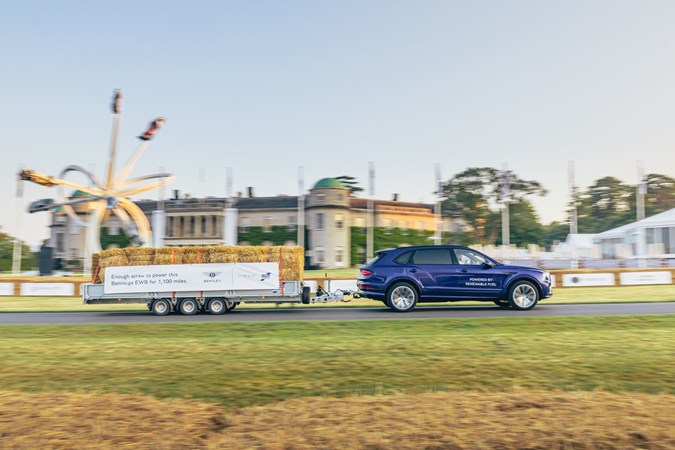
Can I tow a trailer on my driving licence?
Yes, anyone can tow a trailer, even if you only passed a standard car driving test. The law changed in December 2021, allowing drivers who passed their test on or after 1 January 1997 to tow. Before then, those drivers had to pass a separate B+E license test. Drivers who passed their test before 1 January 1997 have always been allowed to tow. But there are still some wrinkles.
If you passed your test on or after 1 January 1997
You can tow a maximum of 3,500kg without the need to upgrade your licence, up from the previous maximum of 750kg. Even if your licence photocard doesn’t show the BE category – that’ll be added the next time you update/renew the card. This change doesn’t apply in Northern Ireland.
If you passed your test before 1 January 1997
You can also tow 3,500kg behind a car but there are certain heavier vehicles that you can drive and tow with, as well. You can drive a vehicle that weighs as much as 7,500kg, such as a small lorry or horsebox, and drive a vehicle/trailer combination that weighs 8,250kg. So, you could drive a vehicle that weighs 7,500kg while towing a 1,250kg trailer.
You can also drive a 17-seater minibus with a trailer that weighs more than 750kg – that’s the weight younger drivers are restricted to.
To find out more about the various categories of driving licence, go to the government website.

Do I need training before I tow?
Legally, no – you need training before towing a caravan or trailer. However, we strongly advocate having some, especially if you’re going to start caravanning or pulling a bulky trailer like a horsebox or race car hauler. Cars behave completely differently when towing and you have to learn how to manage the trailer. Reversing in particular can be really tricky, though it is made easier if you get a car with trailer assist, such the Volkswagen Tiguan.
There are many driver training companies that offer towing courses, as does the Caravan and Motorhome Club.
Can I tow a caravan?
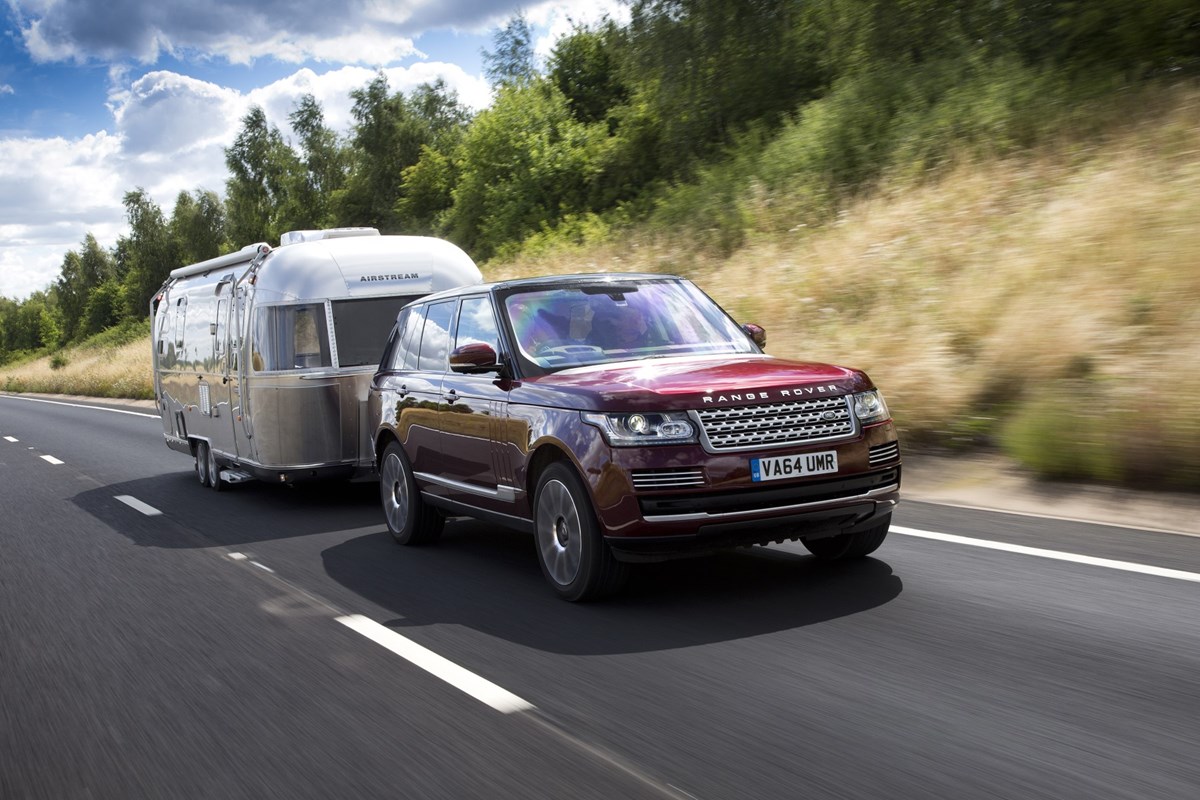
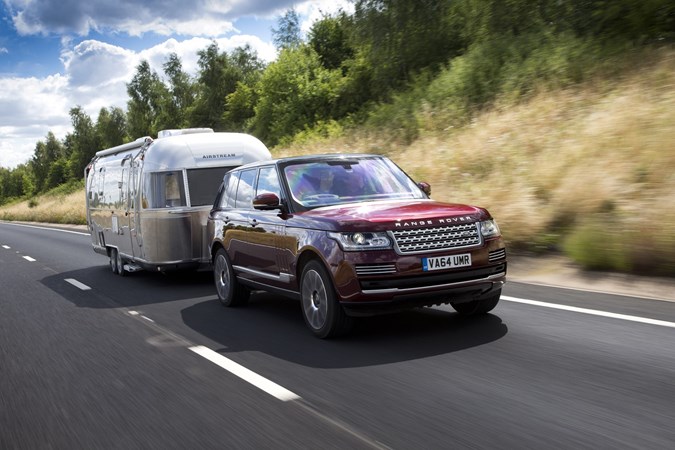
Yes, you can. But make sure you match the right caravan with the right car. The lightest caravans, folding campers and trailer tents can weigh under 400kg and could be towed by a small car such as the Ford Fiesta. The very biggest two-axle caravans can weigh over 2,500kg, for which you’ll need a big SUV.
You’ll find a caravan’s unladen vehicle weight (UVW) – how much it weighs with no fluids, equipment or luggage on board – and it’s MAM in the owner’s manual and on an information plate near the door.
To make sure you don’t exceed either the car’s or caravan’s maximum capacities, it’s worth investing in a portable scale that you can weigh them on once fully loaded (including passengers). But you’ll get the most accurate results by visiting your local weighbridge.
When it comes to matching car and caravan, it’s best to give yourself some headroom. So if, for instance, your caravan weighs 1,500kg, it’s sensible to get a car that can tow 2,000kg or more – something like a BMW 5 Series Touring or Kia Sportage. If the weight of a caravan is bang on your car’s limit, it’ll cope but it’ll have to work very hard.
I want to tow some junk to the tip
Trailers come in a vast range of sizes and MAMs. The smallest might only have a capacity of 50kg, the biggest can carry a couple of tons. Most small hatchbacks can tow 500kg, including the MINI Hatch. Obviously, heavier loads need a car with a higher towing capacity.
Remember that a trailer’s load must be safe and secure. A load of garden waste may be well under a trailer’s capacity but if it’s spilling over the top it could be considered unsafe.
Make sure you don’t overload the trailer, either. Trailers with an MAM of 3,500kg often weigh 1,500kg or more unladen, limiting the payload they can carry.
And it’s worth finding out how big a trailer your local council allows into its recycling centres for free. Turn up with 1,000kg of building rubble and you’ll probably be charged, even if it came from your garden.
I want to tow heavy equipment across a work site
Any vehicle that weighs more than 3,500kg (inclusive of a trailer) and is being used for work must be fitted with a tachograph. That’s a device that records vehicle usage and how long an individual driver has been behind the wheel. Using a tachograph also means you have to comply with commercial vehicle driving hours regulations.
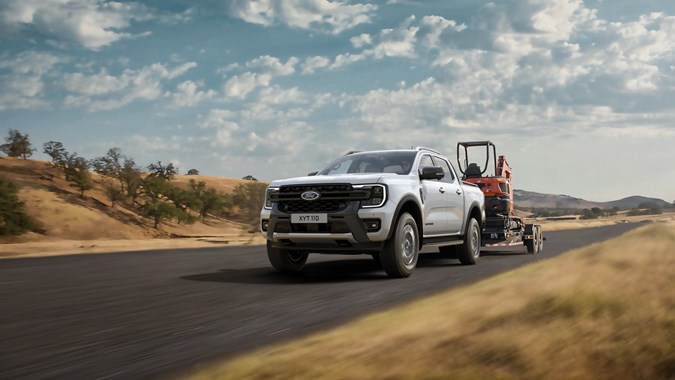
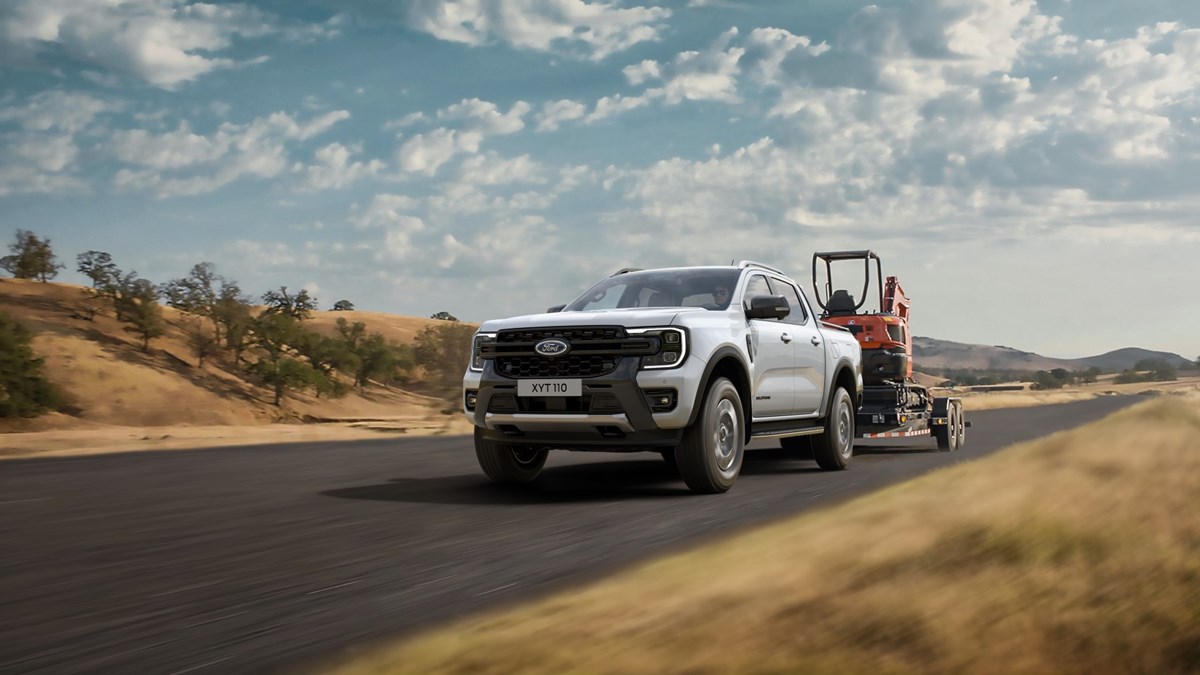
With that proviso, there are plenty of cars up to the job. The likes of the Land Rover Discovery and Toyota Land Cruiser have a towing capacity of 3,500kg, which is enough to pull a small excavator. However, a pickup truck is a better bet for work site towing. Something like an Isuzu D-MAX or SsangYong Musso.
A tachograph is available on every pickup truck; if you have a car, you’ll have to get one fitted by a specialist. If the vehicle you’re driving is privately registered, you can sometimes argue the toss on the need for a tachograph. However, the rule of thumb used by the authorities is that, if you’re being paid in any way to drive the vehicle, you need a tachograph.
I want to tow a horsebox
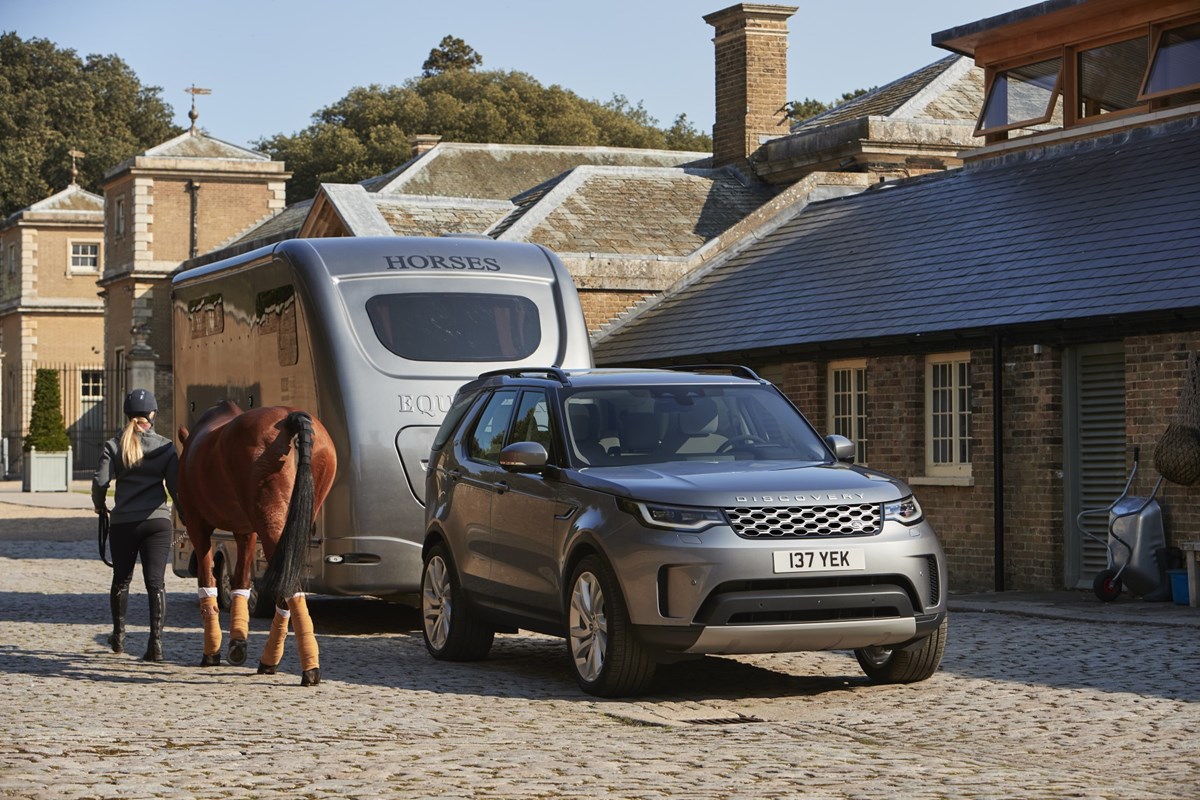
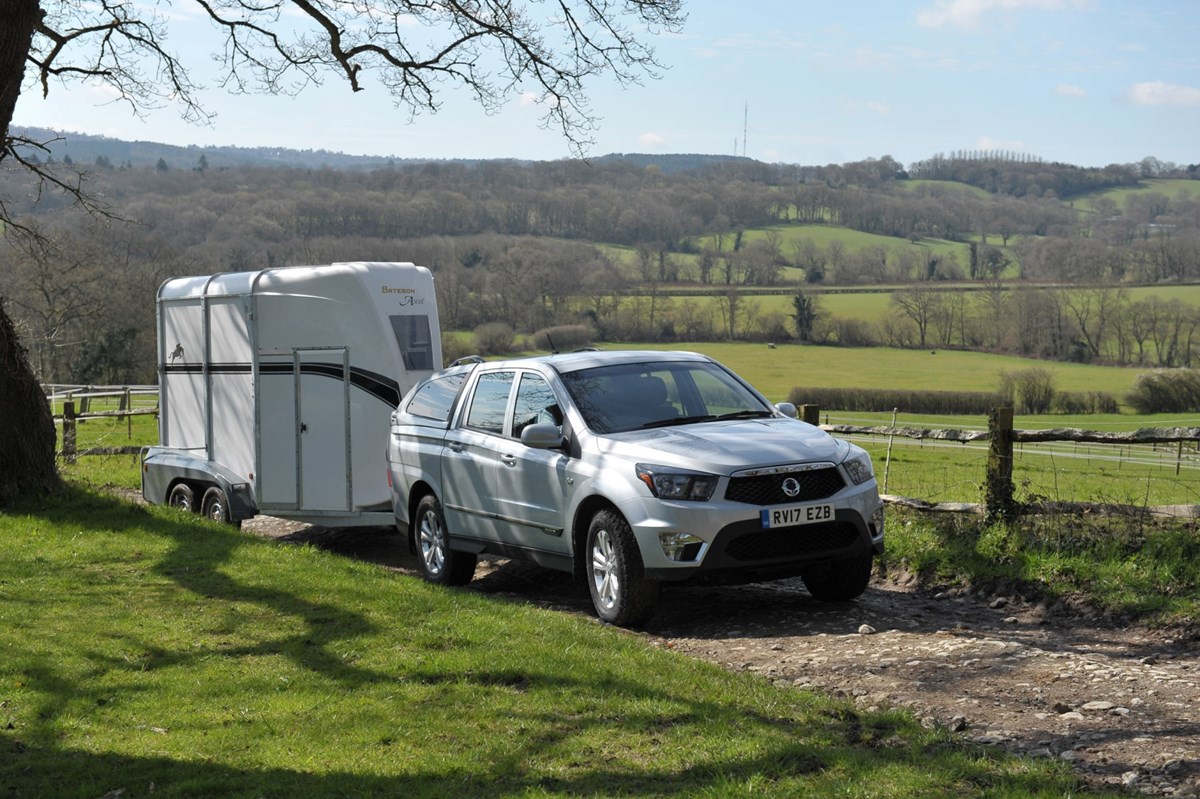
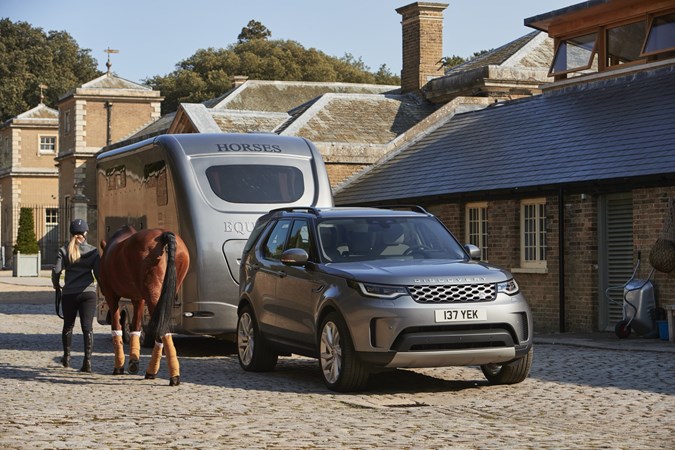
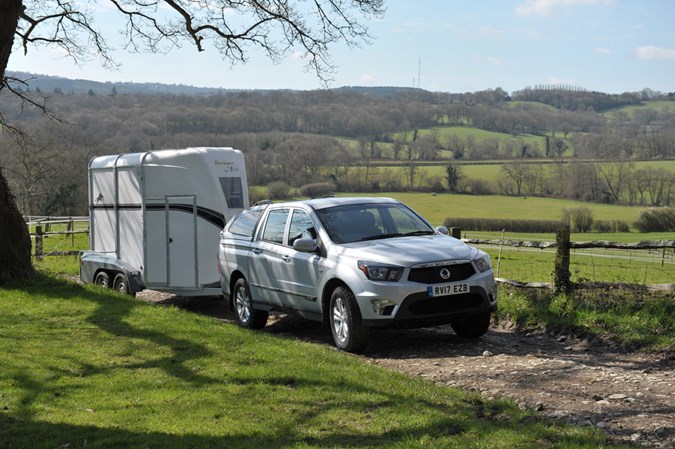
There are many different sizes of horse and there are appropriate horseboxes for all of them. Horseboxes do tend to be quite heavy and you have to take account of the weight of the horse plus its water and feed. That lot can quickly add up. We recommend erring on the side of caution and getting a car that can tow at least 2,000kg – such as the Mazda CX-60 – even if you only have a small horse. That’s because a more capable car will provide a more relaxing journey for the animal.
I want to tow a car
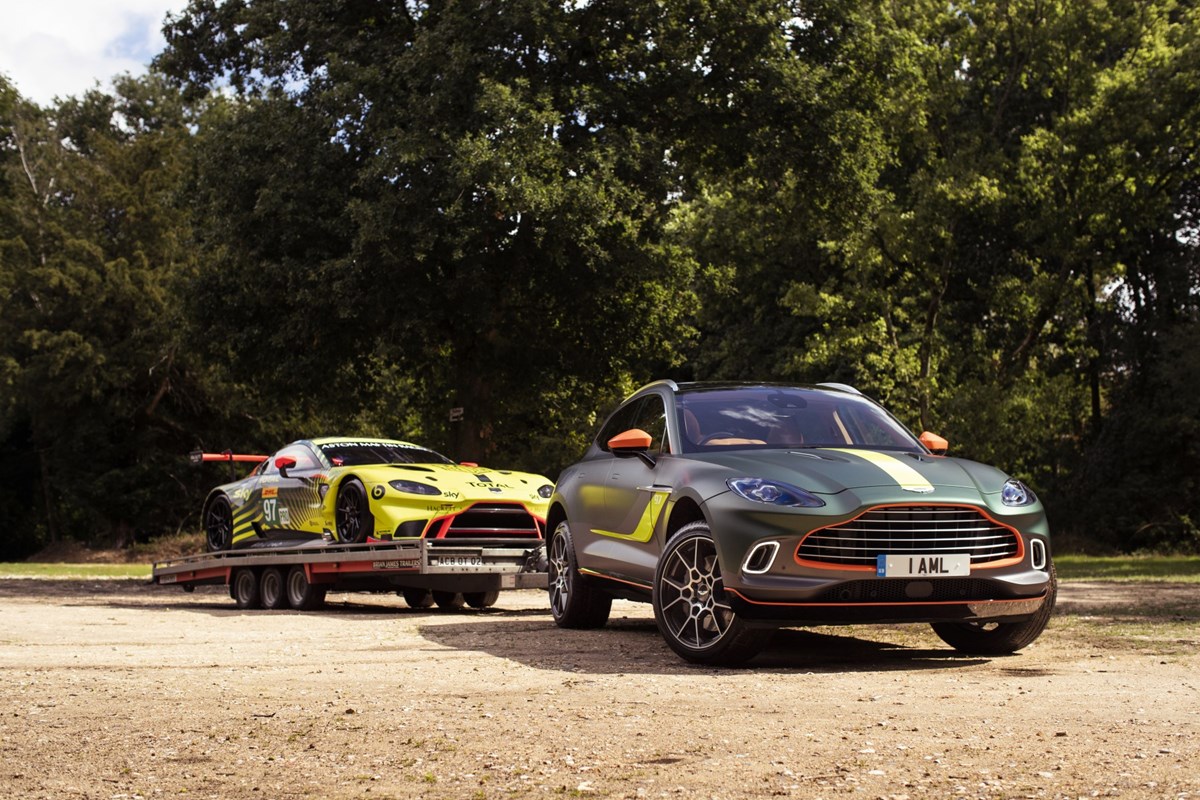
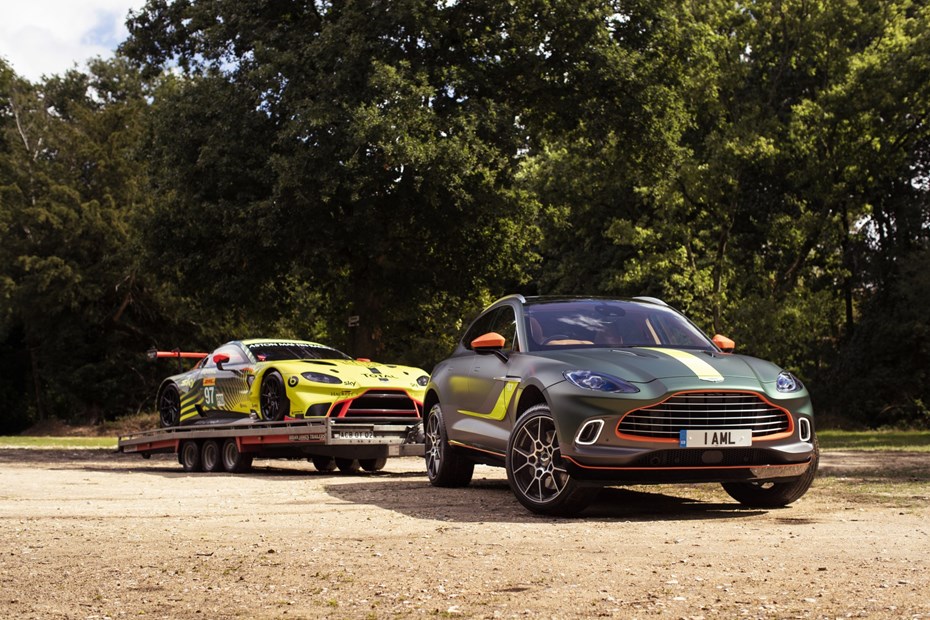
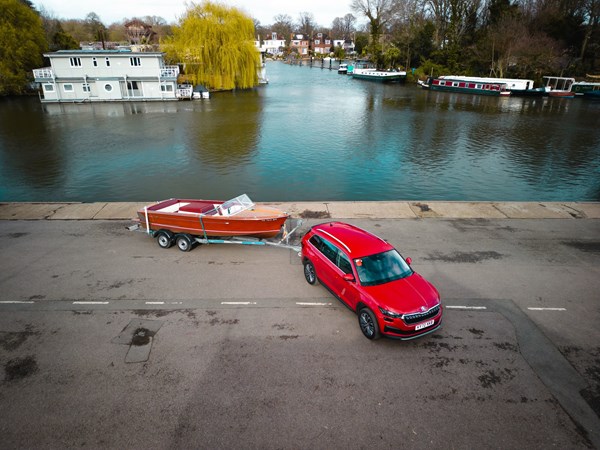
Cars come in a vast range of sizes and weights. At the bottom end of the scale, there are teeny sports cars that weigh under 500kg, at the top there are big electric SUVs that weigh nearly 3,000kg. Then there’s the weight of the trailer, and car trailers are generally pretty heavy, especially if they’re covered. So you have to calculate exactly how much weight you’ll be towing very carefully.
As ever, we suggest getting a car that’s more capable than you really need. So, for a 500kg car in a covered trailer, you ideally want something that can tow at least 2,000kg, like a Skoda Kodiaq.
Important things to remember when towing
- The speed limit for towing a caravan or trailer is 60mph on motorways and dual carriageways, 50mph on single carriageway roads.
- The maximum width a trailer can be is 2.55m, inclusive of its load.
- The maximum length a trailer can be is 7m, inclusive of its load.
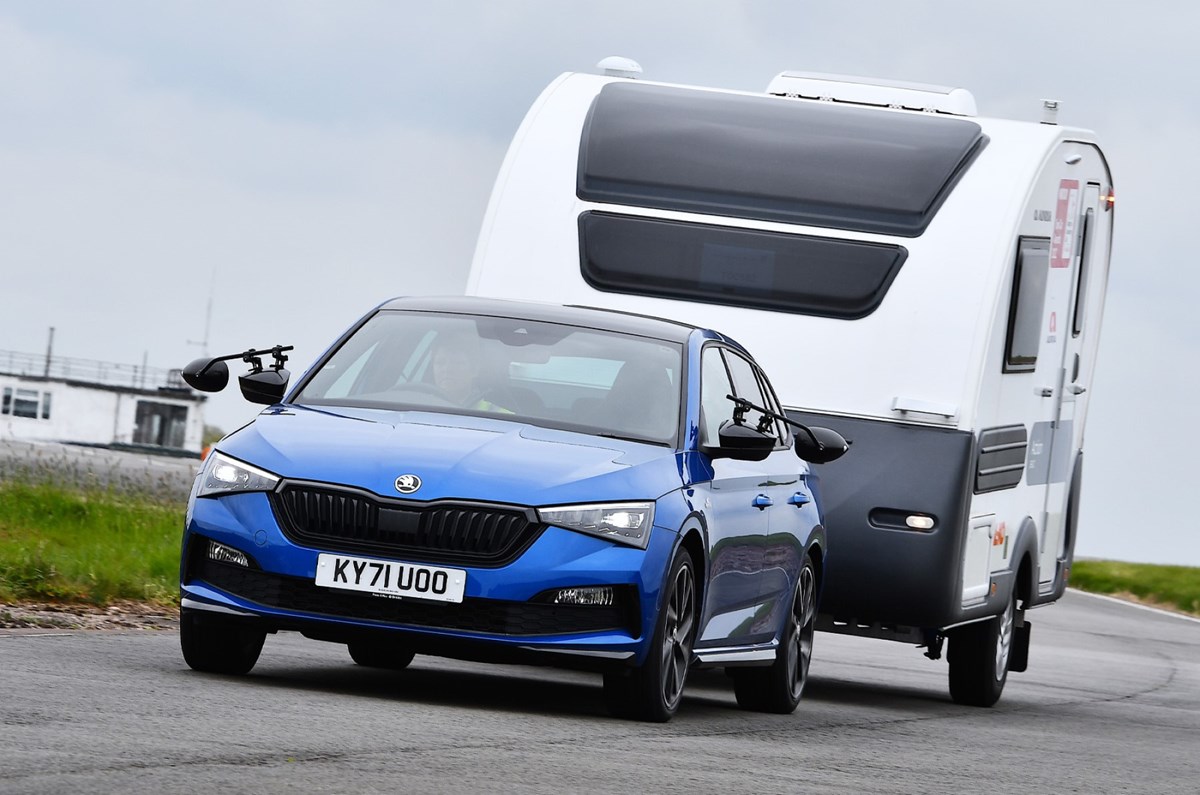
- If the trailer is wider than the car, extended towing mirrors must be fitted.
- Tow bars must meet EU regulations and be designed for use with your car.
- If you’ve never towed before, we strongly recommend getting some training.
- The rear of the trailer must show the same registration number as the tow car.
- The rear of the trailer must be equipped with working side lights, tail lights, indicators, number plate lights and a fog light.
- Anything that protrudes from the side or rear of the trailer must be clearly marked for other drivers to see.
- Trailer loads must be safe and secure.
- If your car/trailer combination is deemed to be unsafe, you can be fined up to £2,500 and receive three penalty points on your driving license.
FAQs
What is the legal towing capacity in the UK?
The maximum weight that can be towed behind a car in the UK is 3,500kg. However, that only applies to cars that have been certified to tow that much weight. You must always abide by the maximum towing capacity of your car. Loaded trailers and caravans that weigh more than 750kg must be fitted with brakes.
What is the 85% rule for towing?
This is a recommendation rather than an actual rule, though many serious towers stick to it religiously. It means that your trailer should weigh no more than 85% of the car. So, according to the rule, if your car weighs 2,000kg, you shouldn’t tow more than 1,700kg with it, even if its official towing capacity is much higher.
Do caravans need an MoT?
Somewhat surprisingly, caravans don’t need an MoT to be used on the road. However, owners are required to make sure their caravan is in a condition that’s safe to be used on the road. So it’s wise to have it inspected at least annually to make sure it’s in good order.
While caravans are MoT-exempt, goods trailers with an unladen weight of more than 1,020kg do have to be MoT’d on an annual basis.
Can you tow with an automatic car?
Yes, you can. Be aware that towing capacities can vary between the manual and automatic versions of a particular car, with positive or negative effects. Towing is arguably easier with an automatic gearbox – it’s one less thing to worry about, giving you more brain space to focus on the trailer.
Some automatic cars require a particular mode to be engaged for towing, or there may be a specific procedure for pulling away from stationary. Consult the car’s manual to find out.
How much does a caravan weigh?
The smallest caravans, folding campers and trailer tents can have an MAM as low as 400kg. The very biggest, most luxurious ones weigh well over 2,500kg. The majority of family-friendly caravans weigh somewhere between 1,000kg to 2,000kg.
How much does the average car weigh?
That’s a near-impossible question to answer, but it’s probably somewhere around the 1,600kg mark. As a guide, the Ford Focus weighs between 1,300kg and 1,600kg, depending on exactly which model it is, while the Land Rover Defender weighs around 2,500kg.
How much does my car weigh?
Manufacturers publish the exact weight for each of their cars. You can find it by searching online, in the owner’s manual, on the VIN plate, or in the Specs section of the car’s Parkers review. Be aware that different manufacturers use different methods for calculating a car’s weight, so make sure you read any disclaimers.
What does braked towing weight mean?
This refers to how much weight a car can tow when the trailer is fitted with brakes. A trailer can weigh no more than 750kg if it doesn’t have brakes, however some cars have lower ‘unbraked’ towing weights. If you often tow an unbraked trailer, have your car’s brakes checked regularly because they’ll wear out quicker. Exceed your car’s unbraked towing capacity and its brakes could be overwhelmed by the load.